Applications
Matcha applications should lead the sourcing conversation.
Latte, milk tea, bakery, dry mix, retail pouch, tin, sachet, and kit projects need different matcha tests and commercial routes.
Short answer
Application fit is more useful than a grade label alone.
A buyer should test color, flavor, texture, sediment, processing behavior, packaging, and document needs in the final product context.
Parameters
Application testing map
Different commercial products stress matcha in different ways. Use the application first, then choose grade, packaging, and documents.
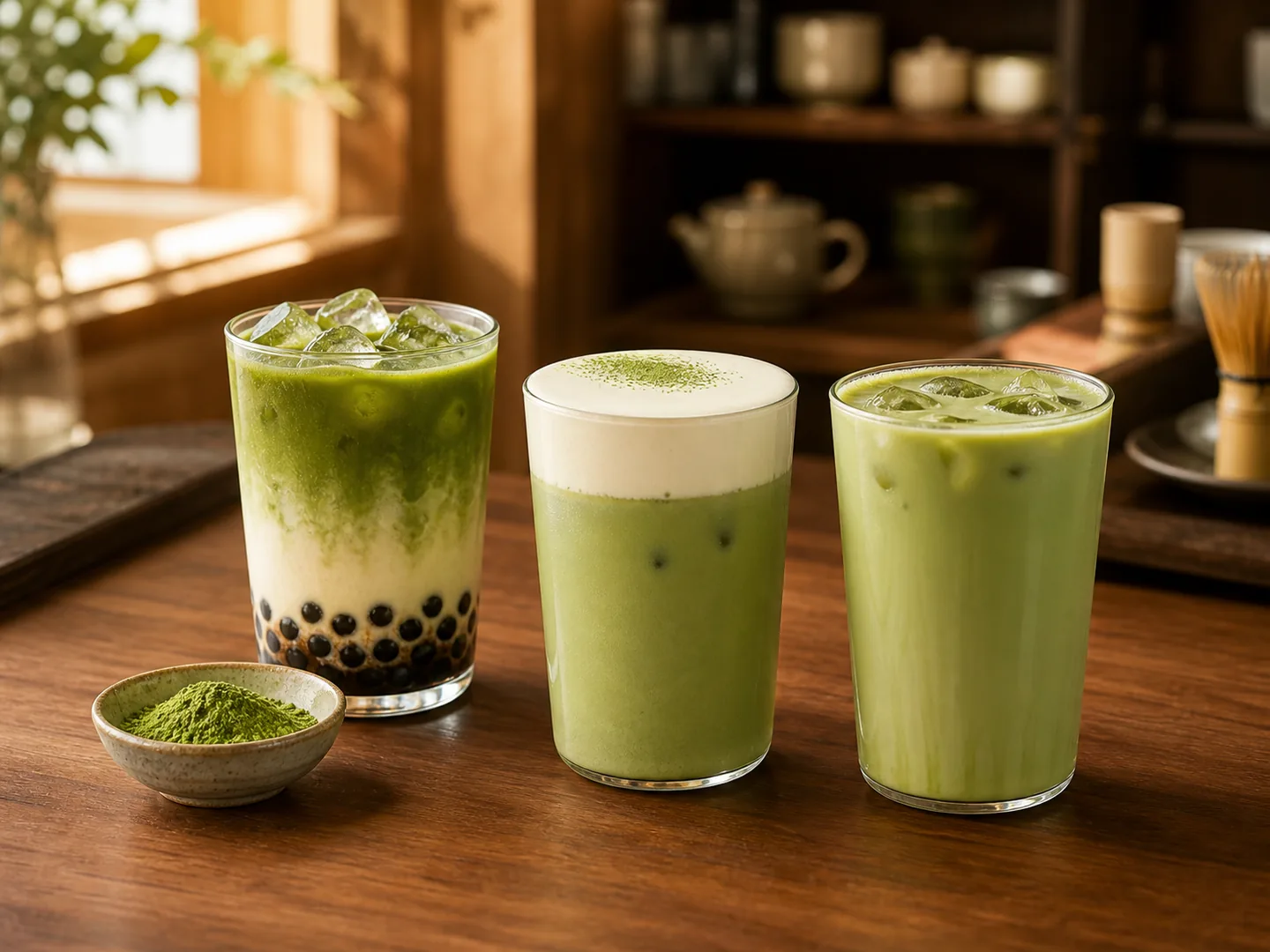
Latte, milk tea, RTD
Check color after dilution, sediment, sweetness balance, and serving cost.
Buyer checkBakery, dessert, dry mix
Check color after heat, inclusion rate, aroma retention, and blend behavior.
Buyer checkPouch, tin, sachet, kit
Check powder appearance, preparation experience, claims, and pack economics.
Buyer checkBuyer mistakes
Application mistakes buyers can avoid
The application page should help buyers identify the real test environment. A powder that wins in a latte may not be the right choice for cake, and a powder that looks premium in a tin may not be economical for milk tea.
Using one sample scorecard for beverage, bakery, and retail projects.
Choosing a grade before the team has tested the final recipe or service model.
Ignoring packaging and document needs until after the application sample is approved.
Buyer detail
Application-specific sample scorecards
A professional application review should produce a different scorecard for each product family. For latte and milk tea, the scorecard should include dose, milk type, sweetness, dilution color, sediment after ten minutes, foam, bitterness, and cost per serving. For RTD or bottled beverages, add process, viscosity, shelf expectation, color after hold, and whether the powder can be dispersed consistently. For bakery and dessert, record inclusion rate, finished color after heat or freezing, aroma retention, bitterness, and recipe cost. For retail pouches, tins, sachets, and kits, add dry powder appearance, flavor smoothness, packaging fit, label claim boundaries, documents, and reorder planning. The goal is to prevent the buyer from approving a powder in the wrong environment.
Buyer facts
Key details buyers usually want immediately.
These facts help procurement and R&D teams decide whether to request samples and what information to include.
Samples first, then a 12 kg minimum order — 48 bags of 250 g.
Retail pouch, tin, sachet, carton, and bulk formats from 250 g to 20 kg.
COA, FSSC 22000, FDA-registered facility route, organic, halal, and kosher paths where applicable.
Latte, milk tea, RTD, smoothies, hotel service, and cafe programs.
Bakery, dessert, ice cream, dry mix, snack, sauce, and manufacturing trials.
Pouches, tins, sachets, starter sets, private label kits, and distributor ranges.
Next route
Application routes
Choose the page that matches the product you are building.
Related sourcing questions
Continue the buying path with related pages.
Use these pages when the current question touches grade choice, sample testing, packaging, documents, or the next commercial decision.
Latte grade matcha
For milk visibility and cafe testing.
Open pageRelatedCulinary matcha powder
For heat and recipe behavior.
Open pageRelatedBeverage brand matcha
For formula and RTD projects.
Open pageRelatedPrivate label matcha
For retail packaging decisions.
Open pageRelatedSample request
For application-specific samples.
Open pageFAQ
Questions buyers ask before moving to samples.
Short answers help procurement, R&D, and brand teams prepare a clearer sample request.
Which application should I mention when requesting samples?
Mention the final product first: latte, milk tea, RTD, bakery, dry mix, retail pouch, tin, sachet, kit, or distributor range.
Can InMatcha provide documents before bulk ordering?
Document availability depends on the selected grade, supplier route, certification scope, destination market, and confirmed batch. Buyers should share document needs before sampling.
Can I request multiple matcha grades for comparison?
Yes. A sample route can compare latte, beverage, culinary, retail, or documentation-led options against the real product application.
Why should application come before grade selection?
Application decides the test. Milk drinks need dilution and sediment checks, food needs process checks, and retail needs taste, appearance, and packaging review.
Can one matcha route cover multiple applications?
Sometimes, but the buyer should approve it in each real use case before using one route across beverage, food, and retail products.
Buyer types
Sourcing pages by who you are
Application decides the grade, but buyer type decides the questions worth asking first. These pages start from the commercial situation rather than the powder.
Matcha supplier for cafes
Hot and iced latte performance, milk visibility, staff prep, and cost per cup.
Open buyer pathMatcha for beverage brands
Milk tea, RTD trials, dilution behaviour, sediment, and formula fit.
Open buyer pathMatcha for food production
Bakery, dry mix, processing colour, dosage, and recipe cost.
Open buyer pathMatcha for wellness brands
Inclusion rate, colour after blending, shelf stability, and label language.
Open buyer pathBulk matcha for supplements
Dosage format, particle size, testing panels, and batch confirmation.
Open buyer pathMatcha for retail and gift stores
Tin and pouch formats, shelf price ladders, ritual sets, and shelf life.
Open buyer pathPrivate label matcha
Packaging direction, artwork, launch samples, and first run planning.
Open buyer pathMatcha distributor supply
Range planning, repeat supply, documentation, and reorder rhythm.
Open buyer pathFoodservice matcha powder
Menu consistency, staff workflow, margin target, and volume planning.
Open buyer pathSample request
Request samples by application.
Tell us what the matcha will become, then we can suggest the right route.