Distributor supply
Matcha supplier support for distributors building a credible range.
Distributors need more than one powder. A practical range usually covers cafe beverage, culinary, retail, documentation routes, accessories, and sample kits.
Short answer
Distributor sourcing should balance breadth, MOQ, documents, and repeat supply.
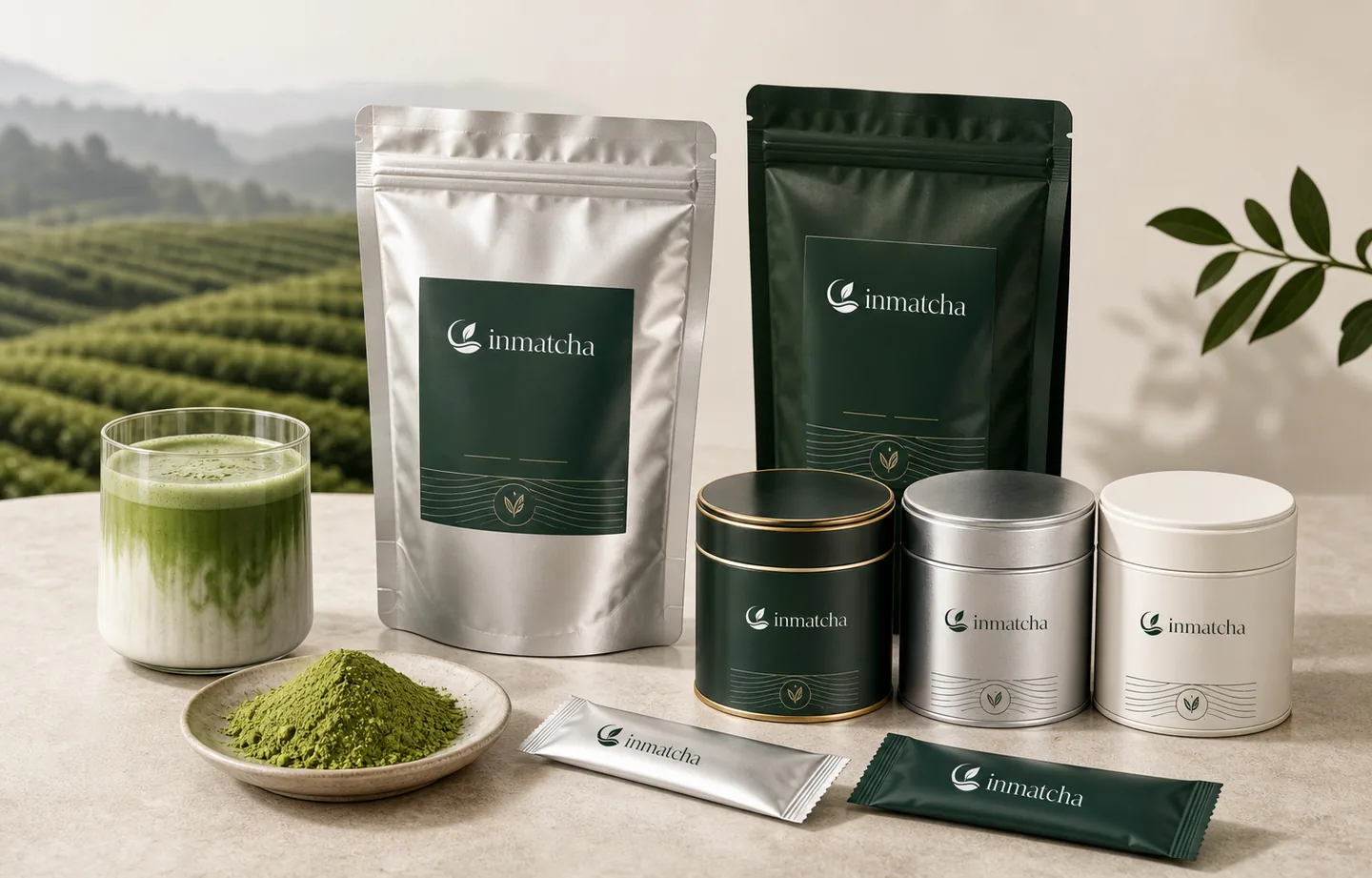
InMatcha helps importers and distributors plan grade ladders, packaging formats, sample kits, certification questions, and application content for local buyers.
Parameters
Distributor range parameters
Distributors need a range that local buyers can understand. The table below helps shape a practical grade ladder and sample kit.
3 to 5 powder routes
Cover entry, latte, culinary, retail, and document-led needs.
Buyer check50 g to 100 g each
Let local buyers compare application routes without opening bulk stock.
Buyer check250 g, 500 g, 1 kg, bulk
Support retail, cafe, and foodservice channels.
Buyer checkBuyer mistakes
Common distributor mistakes
Distributors can weaken a range by buying one generic matcha and trying to sell it to every customer. Local cafes, bakeries, beverage brands, and retailers ask different questions. A credible distributor range gives each buyer a clear path and sample logic.
Building a range with too many similar powders and no clear application difference.
Ignoring accessory kits, which can help retail and cafe customers understand preparation.
Not creating buyer-facing documents, comparison tables, and sample notes for local sales teams.
Buyer facts
Key details buyers usually want immediately.
These facts help procurement and R&D teams decide whether to request samples and what information to include.
Samples first, then a 12 kg minimum order — 48 bags of 250 g.
Retail pouch, tin, sachet, carton, and bulk formats from 250 g to 20 kg.
COA, FSSC 22000, FDA-registered facility route, organic, halal, and kosher paths where applicable.
Importers, regional distributors, ecommerce operators, tea wholesalers, and foodservice suppliers.
Entry bulk, beverage, latte, culinary, premium retail, and documentation-oriented routes.
Buyer guides, sample kits, packaging discussion, and application testing language.
Next route
Distributor route
Build a range that local buyers can understand quickly.
Related sourcing questions
Continue the buying path with related pages.
Use these pages when the current question touches grade choice, sample testing, packaging, documents, or the next commercial decision.
FAQ
Questions buyers ask before moving to samples.
Short answers help procurement, R&D, and brand teams prepare a clearer sample request.
What should distributors include in a matcha range?
A practical distributor range can include beverage matcha, culinary matcha, retail-grade matcha, private label packaging options, and accessory kits.
Can InMatcha provide documents before bulk ordering?
Document availability depends on the selected grade, supplier route, certification scope, destination market, and confirmed batch. Buyers should share document needs before sampling.
Can I request multiple matcha grades for comparison?
Yes. A sample route can compare latte, beverage, culinary, retail, or documentation-led options against the real product application.
How many matcha grades should a distributor carry?
A practical starting range often has 3 to 5 routes: entry or bulk, latte or beverage, culinary, premium retail, and a document-led route where needed.
Should distributors sell matcha accessories?
Accessories can strengthen a range because cafes, retailers, and ecommerce customers often need whisks, bowls, sifters, scoops, tins, or starter kits.
Sample request
Plan a distributor matcha range.
Send your market, buyer channels, expected pack sizes, and grade range you want to build.