About InMatcha
A B2B matcha sourcing partner for product teams, not a generic powder catalog.
InMatcha supports commercial buyers who need to compare matcha through applications, documents, packaging, accessories, and repeat supply planning.
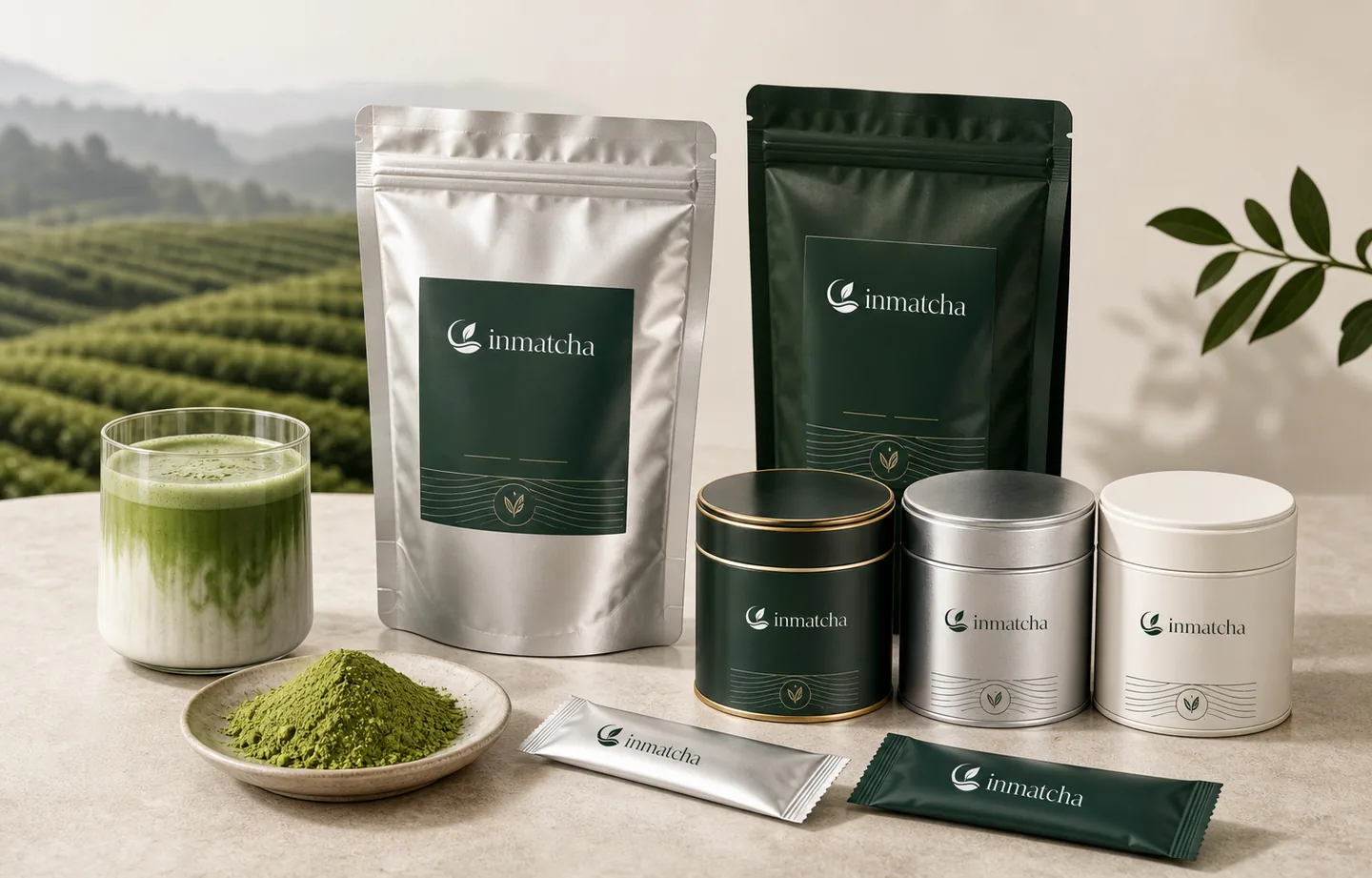
Short answer
InMatcha is built around buyer decisions.
The site is organized around applications such as latte, milk tea, bakery, private label, distributor ranges, and matcha kits because that is how real procurement decisions happen.
Parameters
InMatcha operating model
InMatcha is organized around commercial buyer decisions: sample route, application test, packaging direction, documents, and repeat supply.
Before samples
Collect application, market, volume, packaging, cost target, and document needs.
Buyer check2 to 3 routes
Compare practical paths instead of sending a generic grade list.
Buyer checkAfter test feedback
Move into MOQ, pack size, documents, lead time, and repeat supply.
Buyer checkBuyer mistakes
About-page credibility mistakes
The about page should not sound like a broad trading company with no process. B2B buyers need to see how the team thinks, what information is required, and how sample feedback becomes a commercial route.
Listing products without explaining how buyers are matched to samples.
Overstating certification claims instead of tying them to route and batch.
Ignoring accessories and packaging even though they shape the buyer's launch.
Buyer detail
How InMatcha works with B2B teams
InMatcha should feel like a sourcing partner, not a loose catalog. The working model starts with a buyer brief, because a cafe chain, beverage R&D team, bakery manufacturer, private label founder, importer, and distributor each need a different answer. After the brief, samples should be matched to the final application instead of selected only by grade name. The buyer then tests the powder in the real cup, formula, recipe, pouch, tin, or kit. Once a route passes, the discussion moves to pack size, MOQ, documents, label claims, lead time, and repeat supply. This process gives the buyer a clearer record for internal approval and makes the first commercial order easier to repeat. It also gives InMatcha a practical way to discuss accessories, packaging, and documentation without promising a route that has not been tested or confirmed for the buyer's market. That is the difference between a generic supplier page and a sourcing partner page a procurement team can trust during real purchasing discussions.
Buyer facts
Key details buyers usually want immediately.
These facts help procurement and R&D teams decide whether to request samples and what information to include.
Samples first, then a 12 kg minimum order — 48 bags of 250 g.
Retail pouch, tin, sachet, carton, and bulk formats from 250 g to 20 kg.
COA, FSSC 22000, FDA-registered facility route, organic, halal, and kosher paths where applicable.
Application-matched sample routes for beverage, food, retail, and distribution buyers.
Matcha powder plus private label packaging, tins, pouches, sachets, and accessories.
Professional sourcing language with cautious document and certification claims.
Next route
How buyers use InMatcha
Start with the route that matches your business.
Related sourcing questions
Continue the buying path with related pages.
Use these pages when the current question touches grade choice, sample testing, packaging, documents, or the next commercial decision.
FAQ
Questions buyers ask before moving to samples.
Short answers help procurement, R&D, and brand teams prepare a clearer sample request.
Can InMatcha provide documents before bulk ordering?
Document availability depends on the selected grade, supplier route, certification scope, destination market, and confirmed batch. Buyers should share document needs before sampling.
Can I request multiple matcha grades for comparison?
Yes. A sample route can compare latte, beverage, culinary, retail, or documentation-led options against the real product application.
What type of buyer is InMatcha built for?
InMatcha is built for B2B buyers: cafes, beverage brands, food manufacturers, private label teams, importers, distributors, and kit programs.
Why does InMatcha ask for a buyer brief?
A buyer brief prevents random samples and helps match grade, pack, document route, MOQ, and repeat supply to the actual product.
Sample request
Work from your buyer brief.
Send product type, market, volume, pack direction, and document needs.