Beverage brand matcha
Matcha powder for beverage brands that need formula performance.
Beverage brands should test matcha by dilution color, sediment, sweetness balance, milk or plant milk behavior, processing fit, and cost per serving.
Short answer
Beverage matcha should be selected inside the drink system.
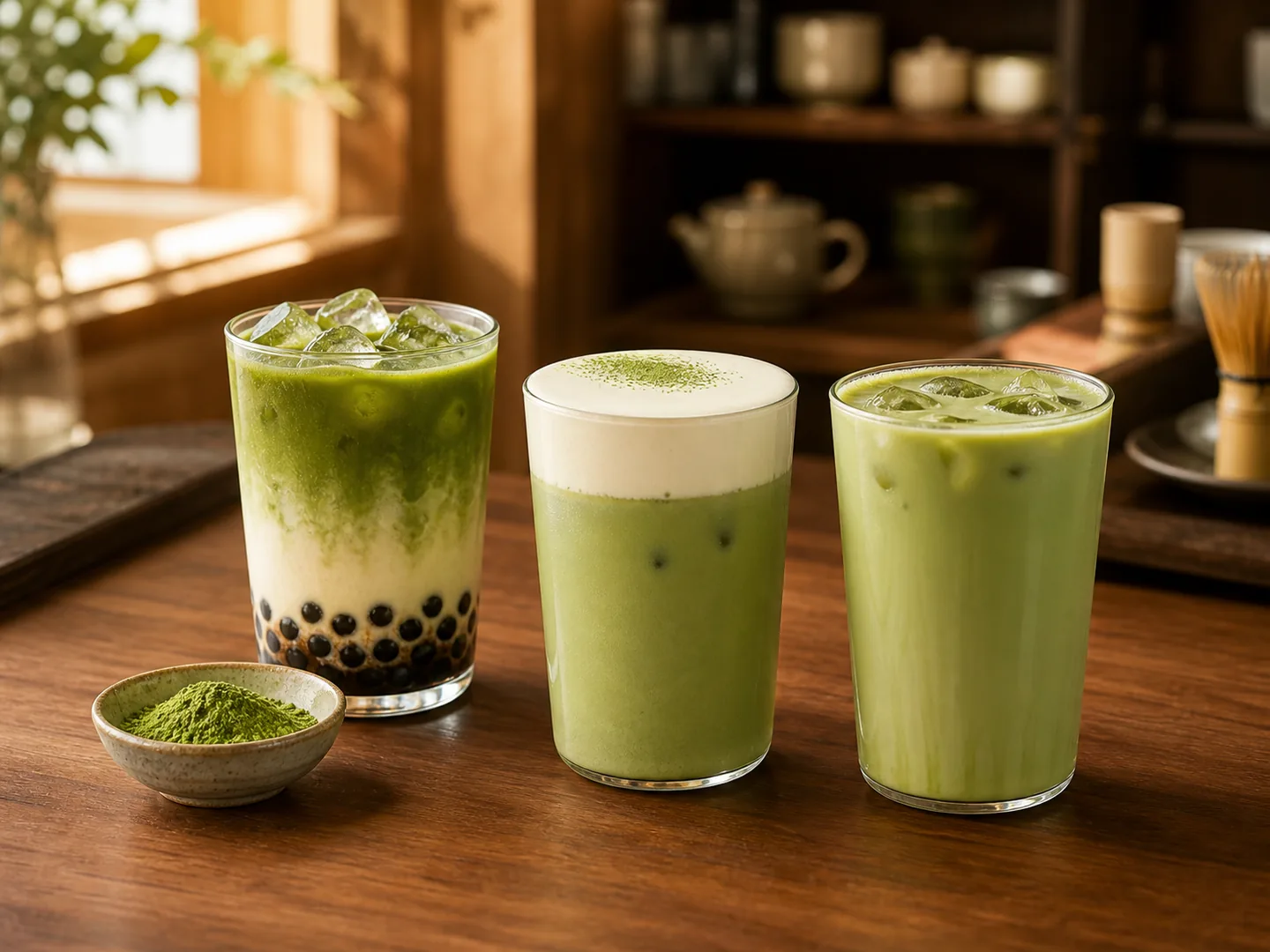
A powder can look vivid when dry and still fail in milk tea or RTD. Brand teams need to test the full formula, including sweetener, dairy or plant milk, process, shelf expectations, and target cost.
Parameters
Beverage brand test table
Beverage brands should run formula-specific trials before comparing bulk routes.
1.5 g, 2 g, 3 g
Compare color, taste, and formula economics.
Buyer check10 and 30 minutes
Check sediment, separation, and visual stability.
Buyer checkDairy, plant milk, sweetened
Test the systems the brand will actually sell.
Buyer checkBuyer mistakes
Common beverage brand mistakes
Beverage teams sometimes approve a matcha after one fresh bench sample, then discover problems after sweetener, milk, heat, or shelf processing. The right powder must perform inside the full formula, not only in water or a short demo drink.
Skipping hold-time checks for sediment and color separation.
Assuming a cafe latte sample will automatically work for RTD or bottled drinks.
Not connecting dosage to cost per serving before choosing the grade route.
Buyer detail
Beverage formula approval detail
Beverage-brand approval should connect color, bitterness, cost, samples, specs, and COA route with a formula-first approach. Beverage buyers should compare 1.5 g, 2 g, and 3 g trials inside the actual drink system, including milk or plant milk, sweetener, processing, ice, and hold time. The approved powder must match the formula, target margin, retail or foodservice channel, packaging route, and document needs before the brand moves to bulk supply. For RTD or retail beverage launches, the buyer should also note shelf expectations, sediment tolerance, label claim boundaries, and whether documents are needed before investor, distributor, or retailer review.
Buyer facts
Key details buyers usually want immediately.
These facts help procurement and R&D teams decide whether to request samples and what information to include.
Samples first, then a 12 kg minimum order — 48 bags of 250 g.
Retail pouch, tin, sachet, carton, and bulk formats from 250 g to 20 kg.
COA, FSSC 22000, FDA-registered facility route, organic, halal, and kosher paths where applicable.
Milk tea, RTD, smoothies, cafe bases, hospitality drinks, and beverage concentrates.
Compare 1.5 g, 2 g, and 3 g serving trials before judging cup cost and color.
Sediment, bitterness, dilution fade, sweetness imbalance, and dairy interaction.
Next route
Beverage sourcing route
Match sample direction to drink system before selecting a larger supply path.
Related sourcing questions
Continue the buying path with related pages.
Use these pages when the current question touches grade choice, sample testing, packaging, documents, or the next commercial decision.
Foodservice matcha powder
For beverage operations.
Open pageRelatedBeverage buyer article
For brand selection points.
Open pageRelatedApplications
For drink and food use cases.
Open pageRelatedDocumentation center
For retail beverage records.
Open pageRelatedSample request
For formula details.
Open pageFAQ
Questions buyers ask before moving to samples.
Short answers help procurement, R&D, and brand teams prepare a clearer sample request.
What should beverage brands test in matcha samples?
Beverage brands should test dilution color, sediment, bitterness, sweetness balance, formula compatibility, process behavior, and cost per serving.
Can the same matcha work for RTD and milk tea?
Sometimes, but RTD and milk tea have different process and shelf expectations. Test each formula before choosing one shared route.
Can InMatcha provide documents before bulk ordering?
Document availability depends on the selected grade, supplier route, certification scope, destination market, and confirmed batch. Buyers should share document needs before sampling.
Can I request multiple matcha grades for comparison?
Yes. A sample route can compare latte, beverage, culinary, retail, or documentation-led options against the real product application.
How should RTD brands test matcha powder?
RTD brands should test dilution color, sediment, processing fit, sweetness balance, shelf expectation, and document needs in the actual formula.
What serving dose should beverage brands start with?
A first screen can compare 1.5 g, 2 g, and 3 g per serving, then calculate flavor strength and cost per serving.
Sample request
Request beverage matcha samples.
Send formula type, serving dosage, market, expected volume, and document requirements.