Accessories
Wholesale matcha accessory kits: whisk, bowl, sifter, scoop, and retail bundles.
Accessory kits help matcha buyers sell more than powder. They create a preparation experience, improve gifting value, and support customer education.
Direct answer
What should be included in a wholesale matcha kit?
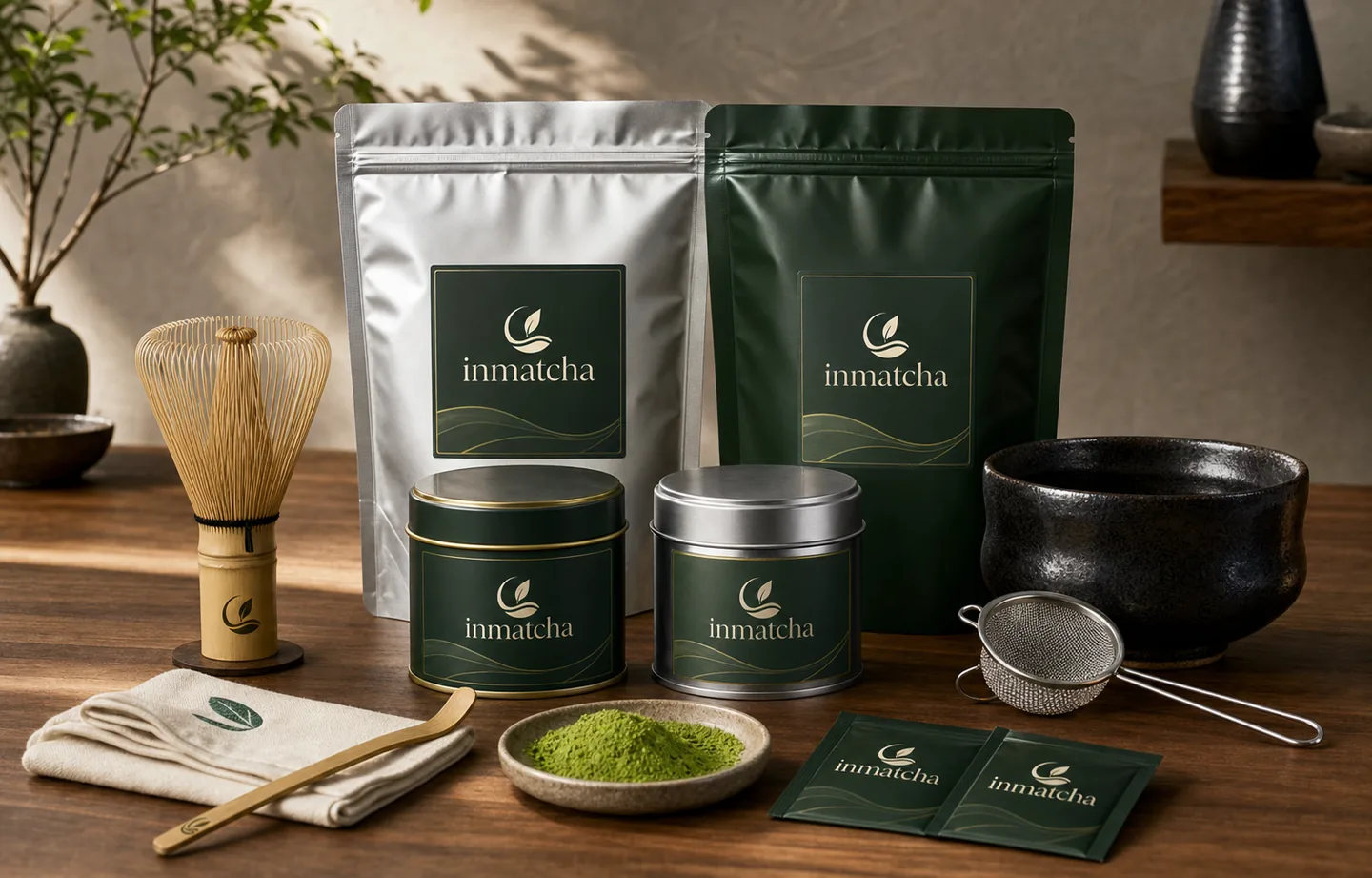
A practical matcha kit can include matcha powder, bamboo whisk, matcha bowl, chashaku scoop, sifter, preparation insert, and protective packaging. Retail brands may add tins, pouches, or private label cartons depending on channel and price tier.
Why accessories matter for B2B matcha sales
Many customers are interested in matcha but unsure how to prepare it. A kit lowers that barrier. For retailers, it improves perceived value. For cafes, it supports training. For hospitality, it creates a premium ritual moment.
Retail brands, gift sets, hospitality programs, ecommerce bundles
Bamboo whisk, chawan bowl, scoop, sifter, cloth, sample powder
Kit routeCafe chains, beverage trainers, distributors, franchise teams
Whisk, sifter, dosing spoon, latte recipe guide, comparison samples
Kit routePremium retail brands and wellness launches
Custom pouch or tin, chasen, chawan, scoop, branded insert direction
Kit routeImporters, online stores, tea distributors, bundle sellers
Chasen, chawan, chashaku, sifter, shaker bottle, tins, pouches
Kit routeMatch kit quality to the target price tier
A premium gift set should not use the same accessory specification as an entry ecommerce bundle. Bowl finish, whisk presentation, carton strength, insert design, and powder grade all affect perceived value.
Plan packaging protection early
Bowls, whisks, and tins need packaging that protects shape and finish. For ecommerce or distributor orders, carton testing and component packing logic can be as important as the product design itself.
Recommended next step
Start with target channel, retail price, desired component list, and whether powder is included. Then compare a starter route, premium route, and private label route before selecting the final kit.
Components
What actually goes in a kit, and why
A kit is not a powder with extras thrown in. Each component solves a problem the buyer would otherwise hit on day one, which is why kits reduce returns and complaints as well as raising the ticket.
Bamboo whisk with 80 to 100 prongs. The single component that most changes whether a first-time customer gets a smooth drink.
Wide, flat-bottomed bowl. Without it, whisking in a mug produces lumps and a disappointed first impression.
Sets the dose. Turns vague spoon guesses into a repeatable measure, which protects your cost per serving.
Removes clumps before water hits the powder. The cheapest component and the one that most improves consistency.
Grade follows the audience: premium retail direction for gifting, latte direction for a cafe training kit.
A one-page preparation card. For retail it reduces support questions; for cafe training it standardises staff prep.
Three kit types
Match the kit to the buyer, not the shelf
The same four tools serve very different commercial purposes depending on who is buying.
Starter set
Whisk, bowl, scoop, sifter, cloth, and a sample of powder. Sold as a gift, so presentation carries as much weight as the powder inside.
Retail and giftCafe training kit
Whisk, sifter, dosing spoon, recipe guide, and comparison samples. Bought to standardise staff preparation, not to gift.
Cafe supplier routePrivate label ritual kit
Custom pouch or tin, tools, and a branded insert. Longest lead time because artwork and component sourcing run in parallel.
Private label route