Foodservice matcha
Foodservice matcha powder for beverage programs that need repeatable performance.
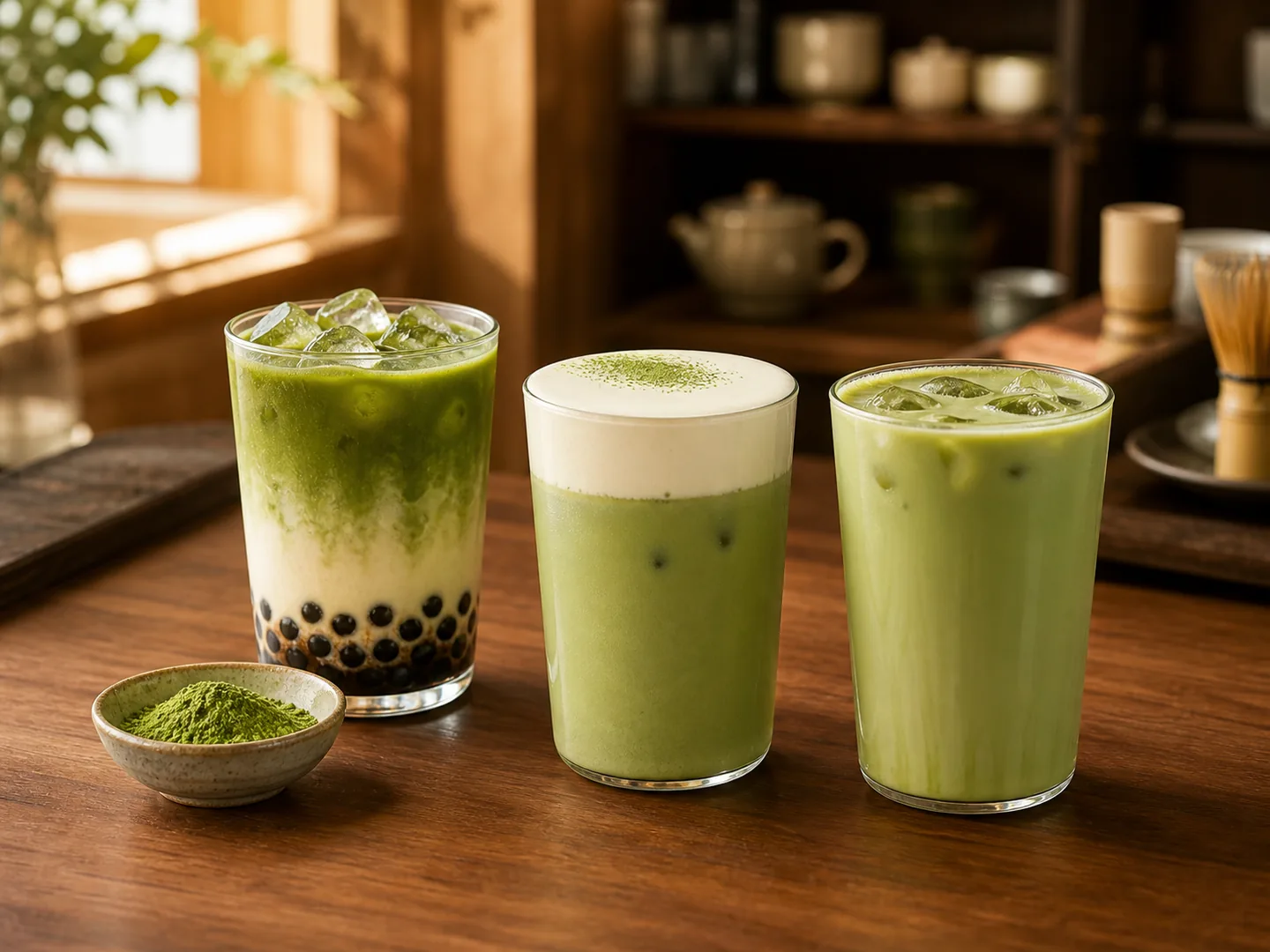
Beverage buyers need matcha that behaves consistently across milk tea, RTD, smoothies, latte bases, sweetened formulas, and service conditions.
Short answer
Foodservice matcha has to survive dilution, sweetness, and operational reality.
A beverage powder should be judged by color after dilution, sediment, bitterness, dosage, formula interaction, cost per serving, and document needs.
Parameters
Foodservice beverage parameters
Foodservice matcha needs operational consistency across drink formats and teams. Use these checks for cafes, milk tea shops, hotels, and distributors.
1.5 g to 3 g
Compare taste, color, and serving cost.
Buyer check10-minute hold
Observe settling in iced drinks and milk tea.
Buyer checkMade-to-order or batch base
Choose powder and prep method around operations.
Buyer checkBuyer mistakes
Common foodservice mistakes
Foodservice buyers often test a drink immediately after mixing and miss what happens after a short hold, ice melt, or staff variation. The buyer should simulate the real operating model, because the customer sees the drink at the counter, in the cup, or after delivery, not at the lab bench.
Ignoring a 10-minute hold test for sediment and color separation.
Using one formula for all milks without checking dairy and plant milk differences.
Choosing a powder without considering whether staff will whisk, shake, or premix it.
Buyer facts
Key details buyers usually want immediately.
These facts help procurement and R&D teams decide whether to request samples and what information to include.
Samples first, then a 12 kg minimum order — 48 bags of 250 g.
Retail pouch, tin, sachet, carton, and bulk formats from 250 g to 20 kg.
COA, FSSC 22000, FDA-registered facility route, organic, halal, and kosher paths where applicable.
Milk tea shops, cafes, RTD brands, hotels, distributors, and beverage R&D teams.
Sediment, dilution color, sweetness balance, milk behavior, mixing process, and formula stability.
Repeat orders should be planned around selected route, pack size, batch, and forecast.
Next route
Foodservice routes
Choose samples by beverage format and scale requirement.
Related sourcing questions
Continue the buying path with related pages.
Use these pages when the current question touches grade choice, sample testing, packaging, documents, or the next commercial decision.
Beverage brand matcha
For formula and RTD decisions.
Open pageRelatedLatte grade matcha
For cafe-style milk drinks.
Open pageRelatedDistributor supplier
For foodservice range building.
Open pageRelatedApplications
For beverage and food comparison.
Open pageRelatedSample kit
For side-by-side route testing.
Open pageFAQ
Questions buyers ask before moving to samples.
Short answers help procurement, R&D, and brand teams prepare a clearer sample request.
Can one foodservice matcha work for both latte and milk tea?
Sometimes, but the best choice depends on milk level, sweetness, dosage, sediment tolerance, target color, and cost per serving.
Can InMatcha provide documents before bulk ordering?
Document availability depends on the selected grade, supplier route, certification scope, destination market, and confirmed batch. Buyers should share document needs before sampling.
Can I request multiple matcha grades for comparison?
Yes. A sample route can compare latte, beverage, culinary, retail, or documentation-led options against the real product application.
What is the difference between cafe matcha and foodservice matcha?
Cafe matcha usually focuses on latte drinks, while foodservice matcha may cover latte, milk tea, smoothies, hotel service, batch bases, and distributor range needs.
How should milk tea shops test matcha powder?
Test dilution color, sediment after a 10-minute hold, sweetness balance, tapioca or topping interaction, and cup cost at the actual serving dose.
Sample request
Request foodservice matcha samples.
Share the beverage format, recipe, market, expected volume, and document requirements.