Quality
Matcha quality should be visible, testable, and document-aware.
Quality is not only a certificate list. Buyers need to see powder texture, application behavior, document scope, batch confirmation, and claim boundaries.
Short answer
Professional quality support avoids blanket claims.
InMatcha discusses certification and document paths responsibly, tying records to grade, supplier route, market, and confirmed batch rather than making unsupported claims everywhere.
Parameters
Quality review path
Quality review should combine visible product behavior with careful document language and route-specific confirmation.
Powder, foam, color
Review dry texture, whisked foam, latte visibility, and sediment.
Buyer checkRecipe or formula test
Check whether quality holds in the buyer's actual product.
Buyer checkRoute and batch review
Tie COA, certification, and claims to the selected supplier path.
Buyer checkBuyer mistakes
Quality mistakes buyers can avoid
Quality pages lose credibility when they promise every certificate for every route. A professional buyer expects specific language: which documents can be discussed early, which records depend on batch, and which claims need market review.
Treating certification logos as a substitute for application testing.
Using one quality statement for every grade, origin, market, and packaging route.
Waiting until the label is printed before checking claim language and document scope.
Buyer detail
Quality evidence buyers can verify
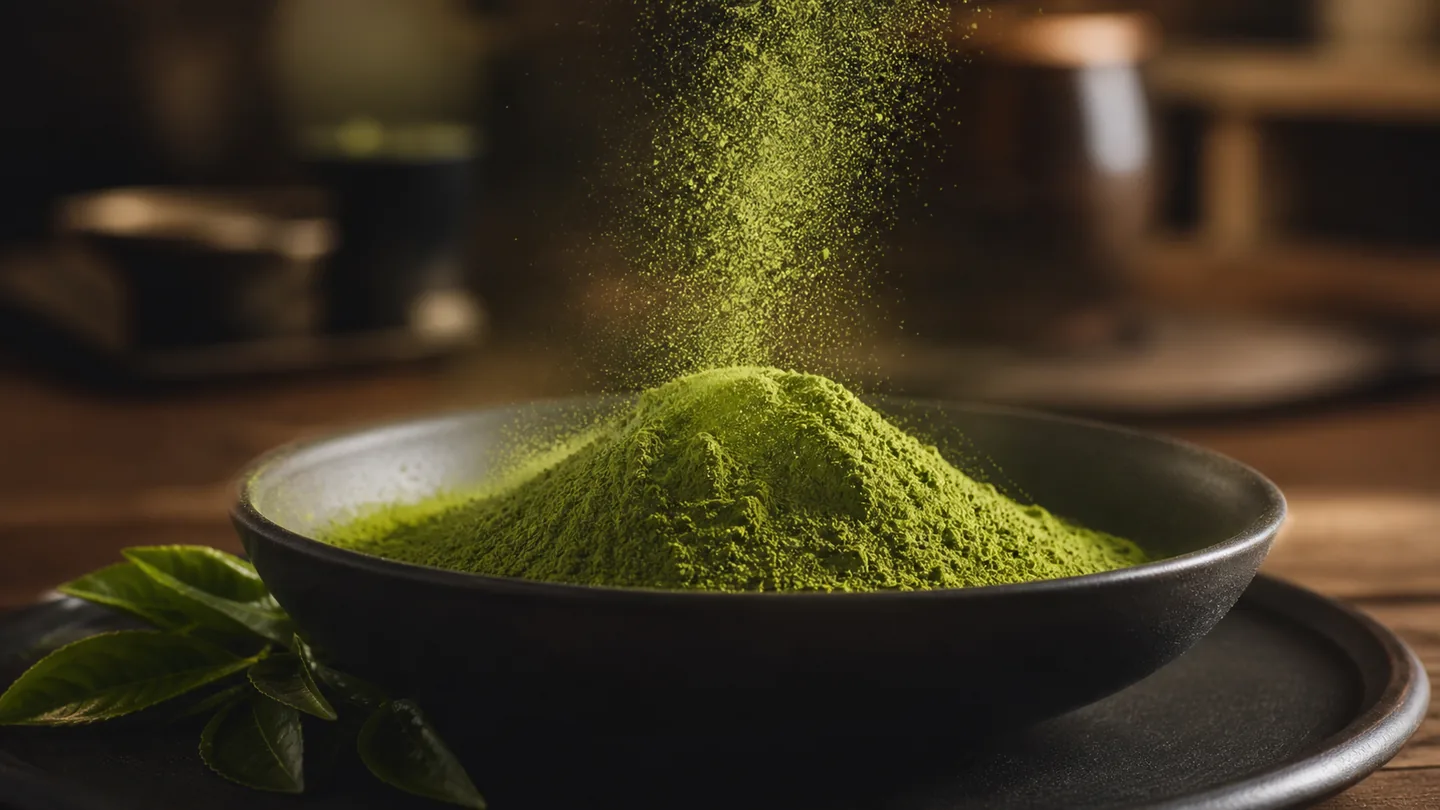
Quality should be reviewed as evidence, not as a mood board of green powder photos. The first layer is visible and sensory: powder texture, aroma, whisked foam, prepared color, bitterness, sediment, and how the matcha behaves in milk, heat, or a finished formula. The second layer is operational: pack size, storage, lead time, repeat supply, and whether the approved sample can be matched again. The third layer is documentation: product specification, COA or batch summary, food safety route, certification scope, and market-specific questions. A buyer should not approve a route unless all three layers are understood. This keeps premium claims, private label text, and importer conversations grounded in something the team can actually verify. For larger buyers, the same quality file should also record the benchmark sample, approved preparation method, target market, expected annual volume, and any alternate route that can be tested before the main route becomes constrained. That file becomes the reference when a new buyer, distributor, or QA manager asks why the selected grade was approved.
Buyer facts
Key details buyers usually want immediately.
These facts help procurement and R&D teams decide whether to request samples and what information to include.
Samples first, then a 12 kg minimum order — 48 bags of 250 g.
Retail pouch, tin, sachet, carton, and bulk formats from 250 g to 20 kg.
COA, FSSC 22000, FDA-registered facility route, organic, halal, and kosher paths where applicable.
Dry color, fine texture, whisked foam, latte color, sediment, and processing behavior.
Specification, COA route, facility records, certification scope, and import questions.
MOQ, lead time, repeat supply, packaging fit, and route availability.
Next route
Quality routes
Review both product behavior and document requirements.
Related sourcing questions
Continue the buying path with related pages.
Use these pages when the current question touches grade choice, sample testing, packaging, documents, or the next commercial decision.
Quality documents
For COA, specs, and record review.
Open pageRelatedDocumentation center
For certification and market questions.
Open pageRelatedEU compliance article
For EU-oriented document planning.
Open pageRelatedGrade comparison
For application-based quality review.
Open pageRelatedSample kit
For visible side-by-side testing.
Open pageFAQ
Questions buyers ask before moving to samples.
Short answers help procurement, R&D, and brand teams prepare a clearer sample request.
Can InMatcha provide documents before bulk ordering?
Document availability depends on the selected grade, supplier route, certification scope, destination market, and confirmed batch. Buyers should share document needs before sampling.
Can I request multiple matcha grades for comparison?
Yes. A sample route can compare latte, beverage, culinary, retail, or documentation-led options against the real product application.
Is matcha quality proven by color alone?
No. Color matters, but buyers should also test taste, texture, sediment, foam, process behavior, documents, and repeat supply fit.
Why does InMatcha use cautious certification language?
Certification and document claims depend on route, product, batch, market, and supplier scope, so careful language protects buyers from unsupported label claims.
Sample request
Send quality and document needs early.
Share the market, application, required records, and expected order path.