Bulk sample kit
Bulk matcha sample kits for real application testing.
A useful sample kit helps buyers compare the few right directions instead of receiving random powder samples that do not match the final product.
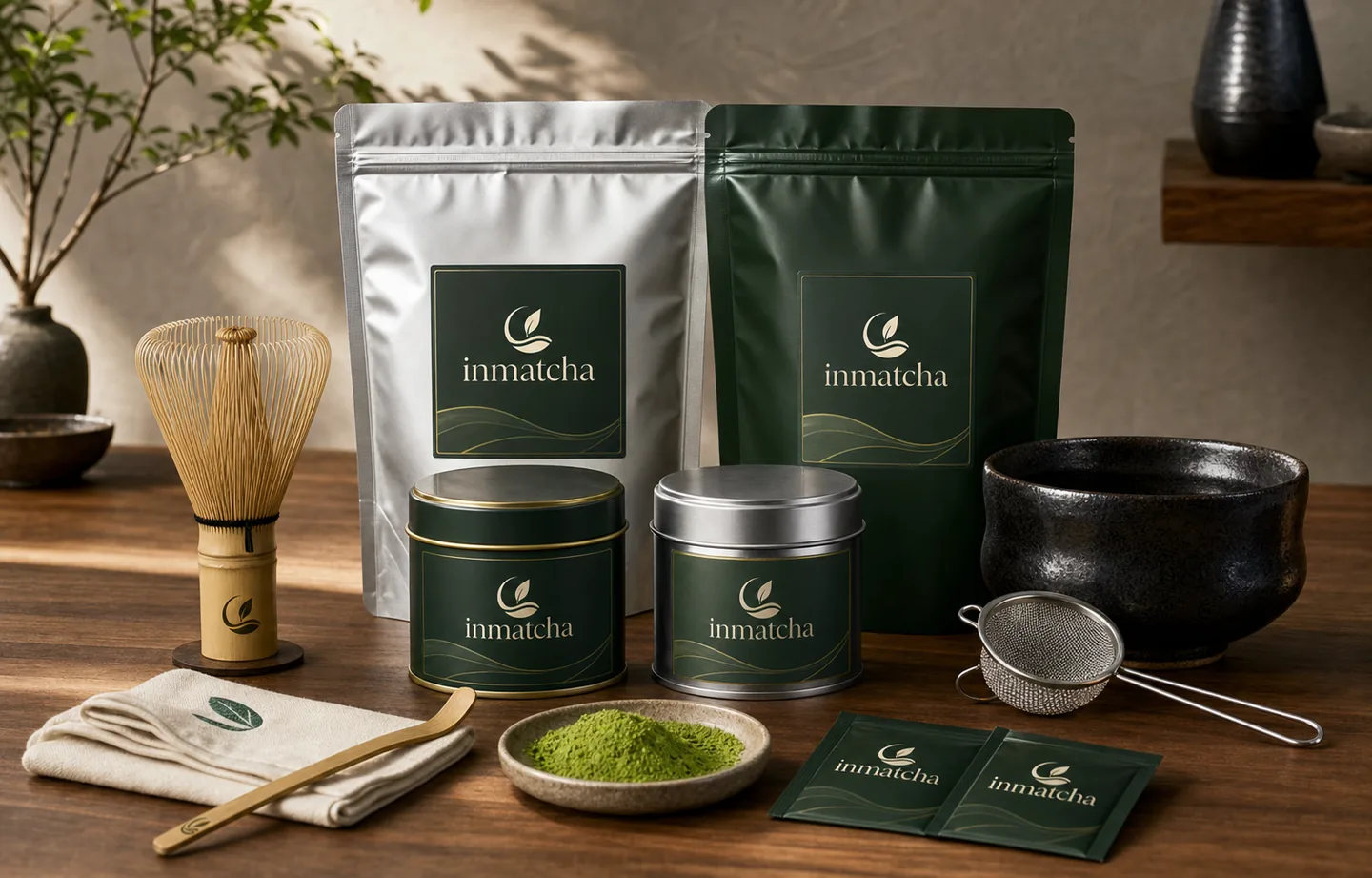
Short answer
A sample kit should answer commercial questions before MOQ discussion.
InMatcha sample routes can support latte, milk tea, RTD, bakery, dry mix, retail pouch, tin, sachet, private label kit, or distributor range review.
Parameters
Sample kit configuration
A useful sample kit narrows the buyer to a few practical routes instead of overwhelming the team with unrelated powders.
50 g to 100 g
Enough for repeated drink or recipe tests without bulk commitment.
Buyer check2 to 3 options
Compare realistic grade directions by application.
Buyer check7 to 14 days
Leave time for hot, iced, baked, or packed product trials.
Buyer checkBuyer mistakes
Common sample kit mistakes
The sample kit fails when it is not designed around the buyer's product. Random samples create random feedback. A strong kit should tell the buyer what each route is meant to prove, how to test it, and what commercial decision follows if it works.
Requesting too many grades without a clear product test plan.
Testing samples once and skipping repeated prep, heat, or hold-time checks.
Not recording dosage, recipe, and feedback in a way that supports the bulk decision.
Buyer facts
Key details buyers usually want immediately.
These facts help procurement and R&D teams decide whether to request samples and what information to include.
Samples first, then a 12 kg minimum order — 48 bags of 250 g.
Retail pouch, tin, sachet, carton, and bulk formats from 250 g to 20 kg.
COA, FSSC 22000, FDA-registered facility route, organic, halal, and kosher paths where applicable.
Choose samples by application, market, document needs, and target price tier.
Use the real milk, formula, process, packaging target, or retail positioning.
Move from sample feedback into grade, pack size, MOQ, and repeat supply planning.
Next route
Sample kit routes
Tell us what you are testing so the kit is useful.
Related sourcing questions
Continue the buying path with related pages.
Use these pages when the current question touches grade choice, sample testing, packaging, documents, or the next commercial decision.
FAQ
Questions buyers ask before moving to samples.
Short answers help procurement, R&D, and brand teams prepare a clearer sample request.
What should I include when requesting a matcha sample kit?
Share application, market, expected volume, packaging format, target price tier, document needs, and any benchmark product or formula notes.
Can InMatcha provide documents before bulk ordering?
Document availability depends on the selected grade, supplier route, certification scope, destination market, and confirmed batch. Buyers should share document needs before sampling.
Can I request multiple matcha grades for comparison?
Yes. A sample route can compare latte, beverage, culinary, retail, or documentation-led options against the real product application.
How long should a buyer test a matcha sample kit?
A practical window is 7 to 14 days so the team can repeat preparation, test hot and iced drinks, run recipe trials, or check packaging presentation.
Should sample feedback include cost information?
Yes. Record dosage and expected volume so taste and color feedback can be connected to cost per cup, recipe cost, or pack economics.
Sample request
Request a matched sample kit.
Use the sample request form so we can route the inquiry correctly.