Cafe matcha supplier
Matcha supplier for cafes that need consistent drinks, not vague grade names.
Cafe buyers need matcha that works in real service: hot latte, iced latte, milk alternatives, staff prep, cost per cup, and repeat supply.
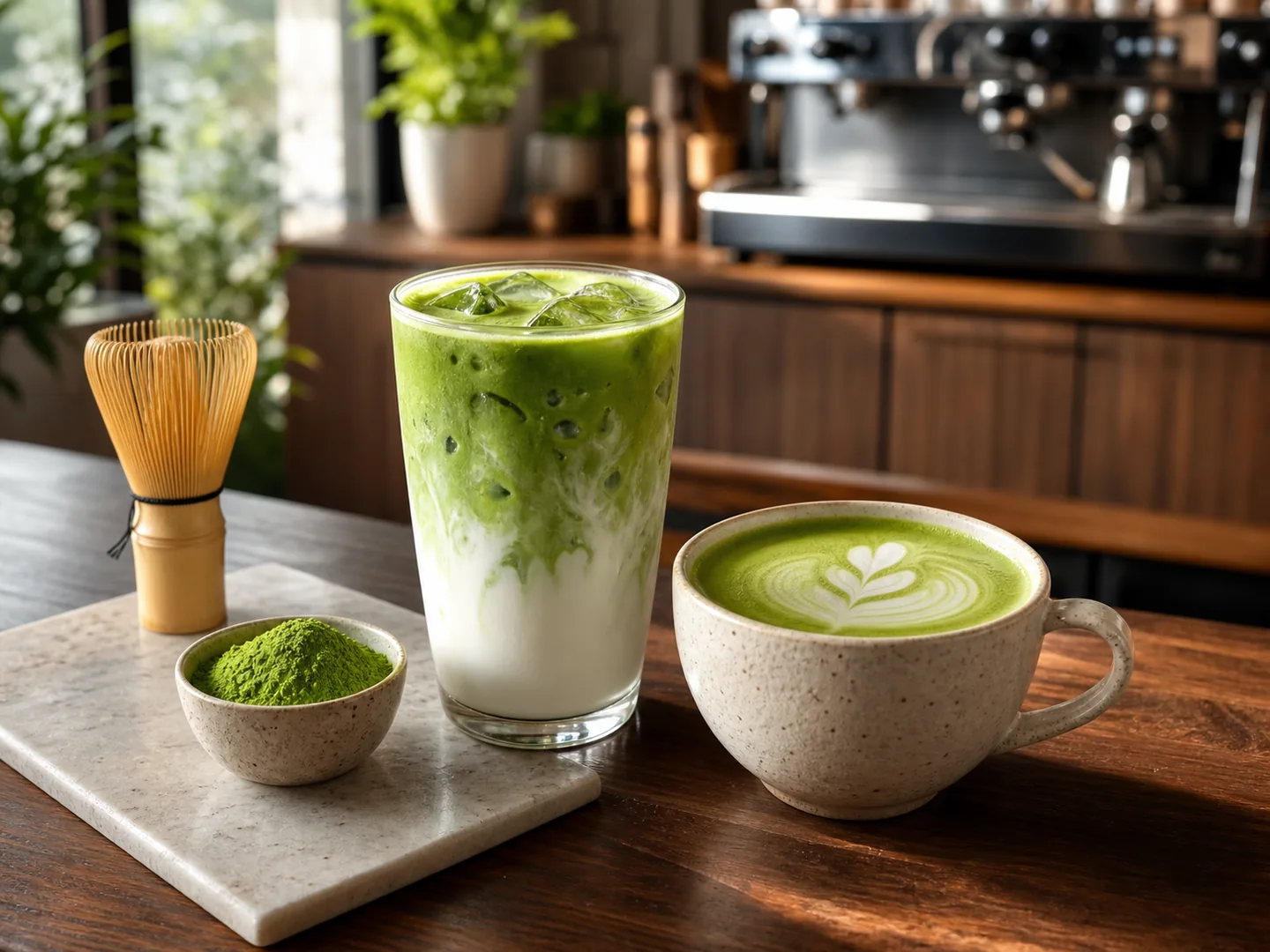
Short answer
Cafe sourcing should start with the menu drink.
Instead of choosing a grade from a catalog, cafe buyers should test matcha in the actual recipe, compare cup cost, and confirm whether documentation and supply are suitable for repeat purchasing.
Parameters
Cafe supplier review parameters
Cafe procurement needs drink consistency, staff usability, and reorder reliability. These checks help compare suppliers beyond a sample photo.
30-cup prep simulation
Check whether staff method stays consistent during rush periods.
Buyer check2 g and 3 g recipes
Estimate menu economics before selecting grade.
Buyer checkWhisk, sifter, scoop
Support staff rollout and drink consistency.
Buyer checkBuyer mistakes
Common cafe sourcing mistakes
Cafes sometimes treat matcha like a seasonal ingredient rather than a menu system. If staff preparation, dosage, sifting, and milk pairing are not standardized, even a strong powder can create inconsistent drinks. Supplier evaluation should include preparation tools and repeat ordering, not just powder price.
Skipping staff prep testing and assuming every barista will whisk the same way.
Selecting a grade that looks premium but does not fit the menu price.
Not planning reorder timing before a menu launch or seasonal promotion.
Buyer detail
Cafe supplier procurement detail
Cafe supplier review should evaluate real service, not just a sample photo. Cafe teams should test a 30-cup service simulation, 2 g and 3 g recipes, hot and iced drinks, plant milk, prep time, sediment, bitterness, and cup cost. If the project covers more than one location, the sample route should also support staff training, sifting or whisking method, reorder timing, packaging size, and document review for the buyer's market. The approved supplier should make it easy for managers to train new staff and reorder the same route before a seasonal menu runs out.
Buyer facts
Key details buyers usually want immediately.
These facts help procurement and R&D teams decide whether to request samples and what information to include.
Samples first, then a 12 kg minimum order — 48 bags of 250 g.
Retail pouch, tin, sachet, carton, and bulk formats from 250 g to 20 kg.
COA, FSSC 22000, FDA-registered facility route, organic, halal, and kosher paths where applicable.
Independent cafes, coffee chains, hotels, restaurant groups, and foodservice distributors.
Hot latte, iced latte, whisked base, pre-mix, dairy, oat milk, and service consistency.
Accessories and cafe training kits can support rollout and staff education.
Next route
Cafe buying route
Use the final drink and service model to narrow the powder.
Related sourcing questions
Continue the buying path with related pages.
Use these pages when the current question touches grade choice, sample testing, packaging, documents, or the next commercial decision.
Latte grade matcha
For cup tests and milk performance.
Open pageRelatedFoodservice matcha powder
For broader drink programs.
Open pageRelatedCafe training kits
For rollout tools.
Open pageRelatedBulk matcha supplier
For repeat 12 kg planning.
Open pageRelatedLatte article
For cafe testing details.
Open pageFAQ
Questions buyers ask before moving to samples.
Short answers help procurement, R&D, and brand teams prepare a clearer sample request.
What should a cafe test before choosing matcha?
Test dry color, aroma, hot latte, iced latte, milk visibility, sediment, bitterness, dosage, staff prep time, and cost per cup.
Can InMatcha provide documents before bulk ordering?
Document availability depends on the selected grade, supplier route, certification scope, destination market, and confirmed batch. Buyers should share document needs before sampling.
Can I request multiple matcha grades for comparison?
Yes. A sample route can compare latte, beverage, culinary, retail, or documentation-led options against the real product application.
What should cafes ask a matcha supplier?
Ask about latte sample routes, cup cost, preparation tools, reorder planning, document needs, and whether the powder has been tested in hot and iced milk drinks.
Do cafes need a matcha training kit?
A training kit is helpful for chains, multi-location cafes, and new menu launches because it standardizes whisking, sifting, dosing, and comparison samples.
Sample request
Request cafe matcha samples.
Send your drink recipe, milk type, cup size, dosage target, and monthly volume range.