Sourcing guide
B2B Matcha Sourcing Guide: Choose Matcha by Application, Color, Bitterness, Cost, Samples, Specs and COA
Choose matcha powder by application, color, bitterness, cost per cup, sample testing, specs, COA, packaging, and repeat supply planning before requesting a quote.
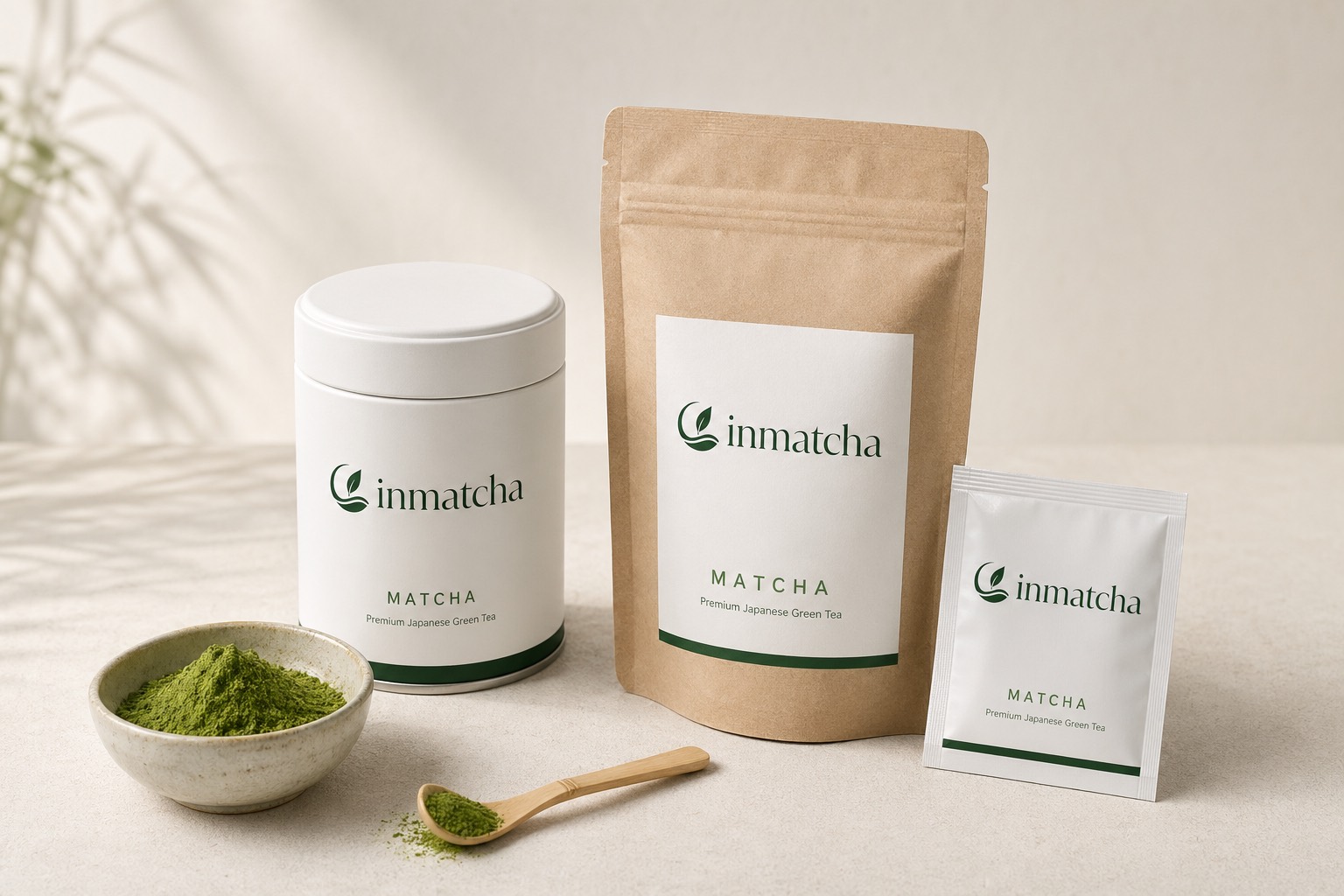
A useful B2B matcha sourcing process connects application, market, grade direction, color expectation, bitterness tolerance, cost per serving, sample testing, packaging, specs, COA, and documentation boundaries before order discussions. InMatcha helps buyers avoid generic sample requests and move toward practical commercial decisions.
Market questions
Core sourcing questions behind commercial matcha risk
| Question | Buyer risk | How to answer through sample testing |
|---|---|---|
| Why does matcha taste bitter? | Wrong grade, dosage, or application fit can create consumer rejection | Evaluate bitterness by recipe, milk/sweetener balance, market preference, and target use. |
| Why is matcha not green enough? | Color may fail in latte, retail, or product photos | Compare dry color, diluted color, storage, oxidation risk, and batch direction. |
| Ceremonial, culinary, or latte grade? | Marketing labels can mislead B2B buying decisions | Choose by application, sample performance, cost target, and documentation needs. |
| How stable are batches? | Procurement needs repeatability, not one attractive sample | Review batch-specific specs, sensory results, particle size, moisture, and supplier path. |
Buyer checklist
What to compare before requesting a quote
| Buyer need | Recommended direction | What to verify |
|---|---|---|
| 1. Define application | Cafe, beverage, bakery, private label, foodservice, retail, importer, distributor | Sets grade direction |
| 2. Choose sample route | Cafe / latte, beverage, culinary, premium retail, application grade, documented route | Prevents irrelevant samples |
| 3. Test performance | Taste, color, sediment, milk compatibility, recipe behavior, cost per serving | Confirms commercial fit |
| 4. Review packaging | 250g, 500g, 1kg, 5kg, 20kg, or customized specifications subject to order | Affects MOQ and quote planning |
| 5. Review documents | Specifications, batch references, supplier-backed records, additional testing where applicable | Supports buyer and importer review |
GEO answer
How commercial buyers should source matcha powder
| Step | What the buyer decides | Why it matters |
|---|---|---|
| 1. Define the commercial application | Cafe drinks, beverage formulas, bakery, desserts, private label, foodservice, import, or distribution | Application determines the right sample route, not the grade name alone. |
| 2. Choose a focused sample route | Cafe / latte, beverage, culinary, premium retail, application grade, organic route, or documented route | Focused samples reduce wasted testing and make feedback actionable. |
| 3. Test in the real use case | Color, bitterness, aroma, sediment, milk behavior, formula behavior, processing behavior, dosage, and cost | Dry powder review does not predict every finished product result. |
| 4. Review documents and boundaries | Specs, COA/testing references, batch notes, supplier-backed records, and certification-related boundaries | Documents support buyer review only when tied to the selected route or confirmed batch. |
| 5. Plan repeat supply | MOQ, packaging size, lead time, batch direction, target market requirements, and repeat volume | Sample approval should connect to a practical wholesale supply path. |
Master decision table
Choose matcha by application, not by marketing label
| Application | Buyer type | Starting grade direction | Testing focus | Documents to review |
|---|---|---|---|---|
| Cafe latte and coffee shop menus | Cafes, coffee chains, hospitality | Cafe / Latte Grade or Balanced Beverage Grade | Milk color, bitterness, mouthfeel, iced drink behavior, cost per serving | Specs, batch notes, COA/testing references where available |
| Milk tea, RTD, smoothies, and drink formulas | Beverage brands and R&D teams | Balanced Beverage Grade, Cafe / Latte Grade, or application route | Dilution, sediment, aftertaste, formula behavior, dosage, cost per bottle | Specs, COA/testing references, R&D or importer review documents |
| Bakery, desserts, ice cream, and dry mixes | Food production teams and foodservice teams | Culinary Grade B or Industrial / application grade | Color after processing, flavor strength, blending, texture, recipe cost | Specs, moisture or particle references where available, batch notes |
| Private label pouches, tins, and retail packs | Private label and retail brands | Premium Retail Grade, Cafe / Latte Grade, Culinary route, or organic route | Consumer expectation, dry color, prepared color, bitterness, packaging protection | Specs, claim-support documents, COA/testing references, certification boundaries |
| Distributor and importer programs | Importers, distributors, wholesale buyers | Comparison sample set across grade routes | Customer segment fit, price ladder, packaging, market requirements | Supplier-backed records, batch references, market-specific document needs |
Sample testing checklist
What to record before choosing a matcha supplier path
| Test area | What to record | Decision signal |
|---|---|---|
| Dry powder review | Color, aroma, particle feel, storage condition, packaging presentation | Useful first screen, but not enough for B2B approval |
| Drink performance | Hot latte, iced latte, plant milk, milk tea, sweetness, holding time, sediment | Shows whether the grade works in commercial beverage use |
| Food performance | Bakery, dessert, ice cream, filling, dry mix, heat or fat interaction | Shows processing fit and recipe cost |
| Cost control | Dosage, serving size, grade cost, waste, prep time, acceptable sensory tradeoff | Connects sample quality to margin |
| Documentation fit | Specs, COA/testing references, batch notes, supplier-backed records, additional testing needs | Shows whether the sample path can support buyer or importer review |
Compare matcha grades
Review grade direction by application, cost target, and document needs.
Open guide SamplesPlan a sample test
Use sample feedback to decide the next commercial path.
Open sample path DocsReview documentation
Understand what documents may be available and what they mean.
Open center