Wholesale matcha powder
Wholesale Matcha Powder Sourcing Support
Wholesale matcha buying should start with application fit, sample testing, packaging direction, and documentation needs before repeat supply planning.
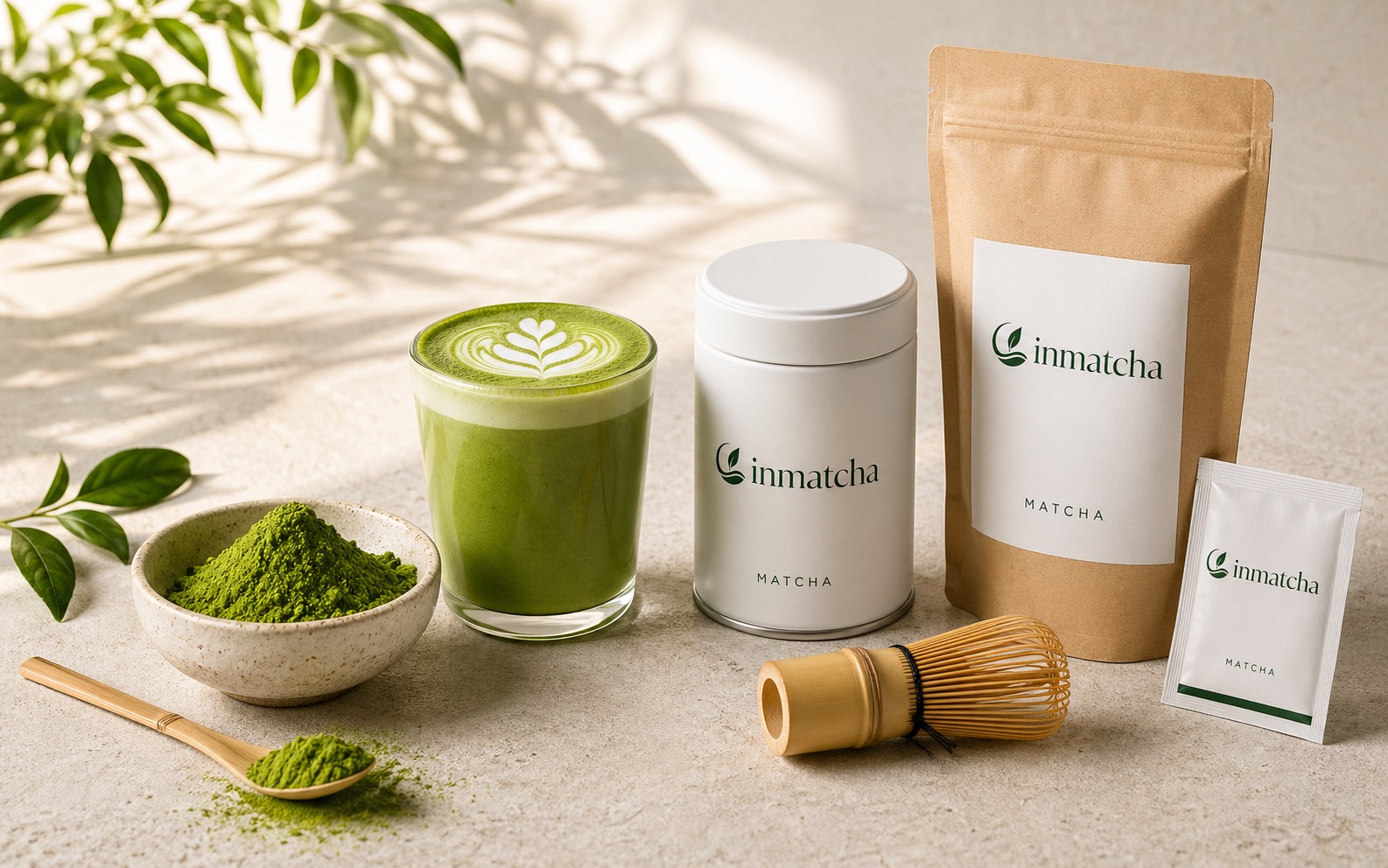
InMatcha supports this page as a buyer decision path. Buyers should confirm application, target market, estimated volume, packaging direction, cost target, and documentation requirements before sample dispatch. Industrial 1A remains a cost-controlled industrial and application grade; it is not positioned as the main premium cafe or latte-grade route.
Buyer questions
Real questions wholesale buyers should answer
| Question from real use | Buyer risk | How to test or answer it |
|---|---|---|
| Which customer use case drives the first order? | Wholesale buyers may overbuy a grade that only fits one channel | Map the first sample set to cafe, beverage, bakery, foodservice, private label, or distributor demand. |
| How stable are color, taste, and particle feel across batches? | Repeat buyers need consistency, not only one attractive sample | Review sample feedback, batch notes, specs, moisture or particle-size references where available, and confirmed batch direction. |
| How should MOQ and packaging be planned? | Packaging size can affect freight, storage, margin, and buyer workflow | Compare 1kg, 5kg, 20kg, or custom packaging needs with first-order volume and repeat supply plan. |
| What documents are needed before resale or import review? | Missing specs or testing references can delay commercial planning | Request available specs, COA/testing references, supplier-backed records, and any market-specific requirements early. |
Shortage and repeat supply planning
Plan backup routes before wholesale demand gets tight
| Planning question | Why it matters | Practical wholesale action |
|---|---|---|
| What if the preferred grade becomes unavailable? | A rushed substitute can change latte color, bitterness, sediment, or customer fit. | Approve one or two backup sample routes in the same application before repeat demand peaks. |
| How early should buyers reorder? | Freight timing, packaging size, and document review can stretch the ordering window. | Set a reorder point based on monthly volume, launch calendar, packaging route, and buyer approval workflow. |
| Can packaging create shortage pressure? | A grade may be available while a custom bag, label route, or pack size has a longer timeline. | Compare 1kg, 5kg, 20kg, or custom specifications during sampling, not after the first order. |
| What should be reviewed before switching grades? | The wrong replacement can protect supply but hurt taste, color, or compliance review. | Compare application tests, specs, COA/testing references, batch notes, and cost per serving. |
For a full W1 shortage-planning guide, see Matcha Supply Shortage Planning for B2B Buyers.
Buyer decision table
What to test before commercial planning
| Buyer need | Likely direction | What to test |
|---|---|---|
| Cafe or beverage buyer | Cafe / Latte or Balanced Beverage Grade | Drink color, bitterness, milk compatibility |
| Bakery or food project | Culinary or industrial application grade | Processing behavior, flavor strength, recipe cost |
| Private label buyer | Premium Retail or documented route | Packaging, positioning, documents |
| Importer or distributor | Grade map and sample set | MOQ, availability, market requirements |
Sample-first workflow
A focused sample test should answer performance, cost, packaging, and documentation questions before larger order discussion.
- Share the application and target market.
- Confirm grade direction and sample route.
- Test in the real recipe, menu item, or product workflow.
- Review packaging, MOQ, and documentation needs.
- Use feedback to decide the next commercial step.
Sample-first sourcing
Ready to test this sourcing path?
Share your application, market, estimated volume, packaging direction, and documentation needs so InMatcha can suggest a practical sample route.